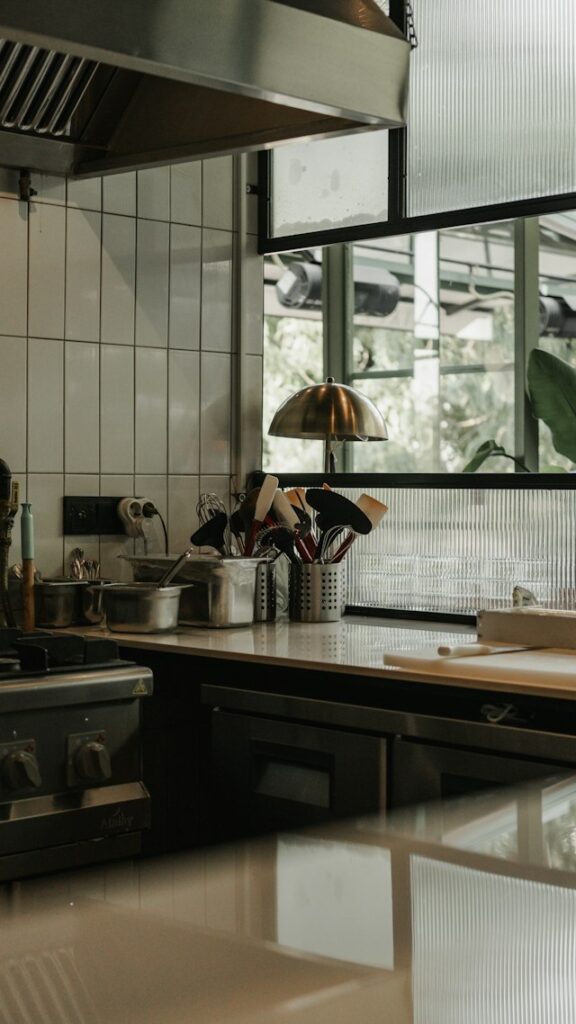
Why Does a Commercial Kitchen Exhaust Need to Run During Cooking?
Quick answer: A commercial kitchen exhaust system must run during cooking because it removes heat, grease-laden vapor, smoke, and combustion

Quick answer: A commercial kitchen exhaust system must run during cooking because it removes heat, grease-laden vapor, smoke, and combustion
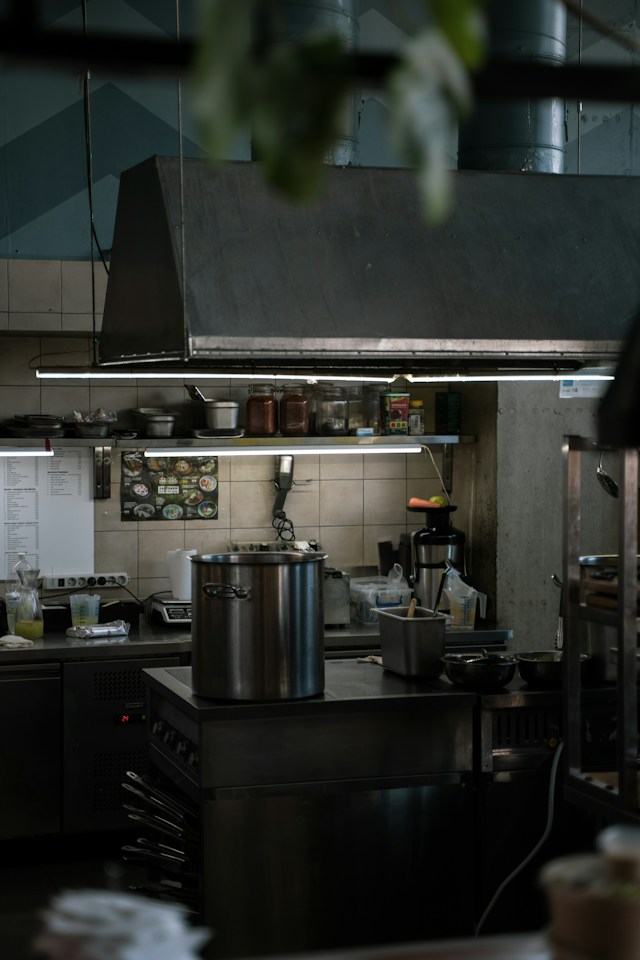
Quick answer: An undersized commercial kitchen exhaust system fails to remove heat, smoke, grease particles, and odors fast enough, leading
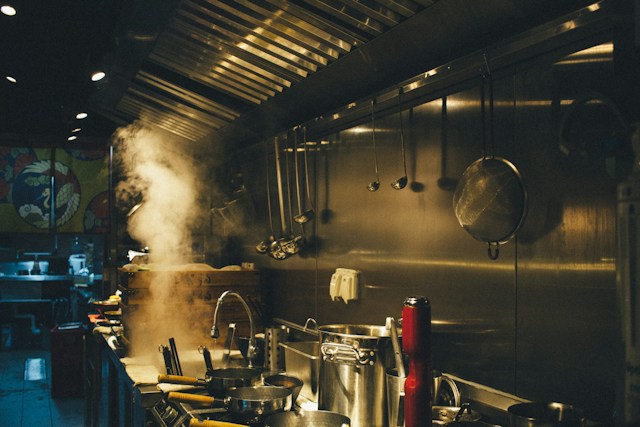
Quick answer: Most commercial kitchens should have their exhaust systems professionally cleaned every three to six months, though the exact
Quick answer: Restaurants sharing a building with other businesses must plan kitchen exhaust systems carefully to avoid odor complaints, fire
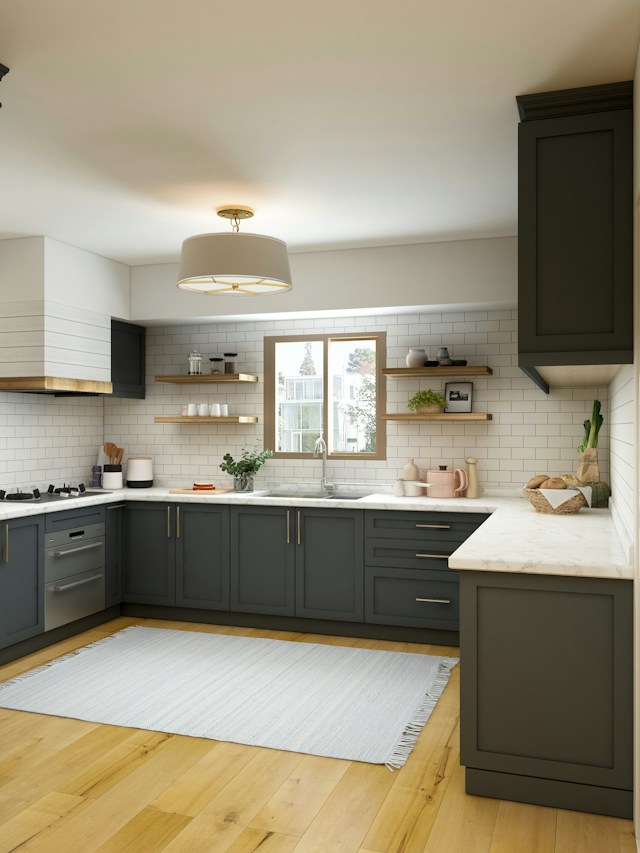
Quick answer: Converting an existing space into a food and beverage outlet requires careful planning around exhaust hood sizing, ductwork
TL;DR: Adding fryers, grills, woks, or smokers to your menu changes what your kitchen exhaust system needs to handle. Before
TL;DR: The exhaust system decisions a restaurant makes today — hood sizing, ductwork layout, makeup air capacity, and fire suppression

Quick answer: A commercial kitchen exhaust system struggles with airflow when you notice lingering smoke, grease buildup, temperature spikes, unusual
TL;DR: Before installing new cooking equipment, ask about exhaust hood type, airflow (CFM) requirements, duct routing, makeup air balance, fire
Quick answer: Commercial kitchens with heavy cooking loads need exhaust systems sized for peak grease and heat output, not average