
9 Commercial Kitchen Exhaust Signs That Your Kitchen May Be Struggling With Airflow
Quick answer: A commercial kitchen exhaust system struggles with airflow when you notice lingering smoke, grease buildup, temperature spikes, unusual […]
Quick answer: A commercial kitchen exhaust system struggles with airflow when you notice lingering smoke, grease buildup, temperature spikes, unusual […]

TL;DR: Before installing new cooking equipment, ask about exhaust hood type, airflow (CFM) requirements, duct routing, makeup air balance, fire
Quick answer: Commercial kitchens with heavy cooking loads need exhaust systems sized for peak grease and heat output, not average

TL;DR: Restaurants operating in compact spaces face unique exhaust system challenges, including inadequate airflow, grease buildup, code violations, and inefficient

Quick answer: A high-use commercial kitchen needs an exhaust system built for volume and heat, not just code compliance. The

Quick answer: A commercial kitchen exhaust system needs professional attention when you notice grease buildup, unusual noises, inconsistent airflow, lingering

Quick answer: The most common commercial kitchen exhaust planning mistakes include undersizing hood capacity, ignoring make-up air requirements, skipping fire

Quick answer: Before installing commercial kitchen equipment, contractors and kitchen designers should finalize exhaust hood type, duct routing, makeup air
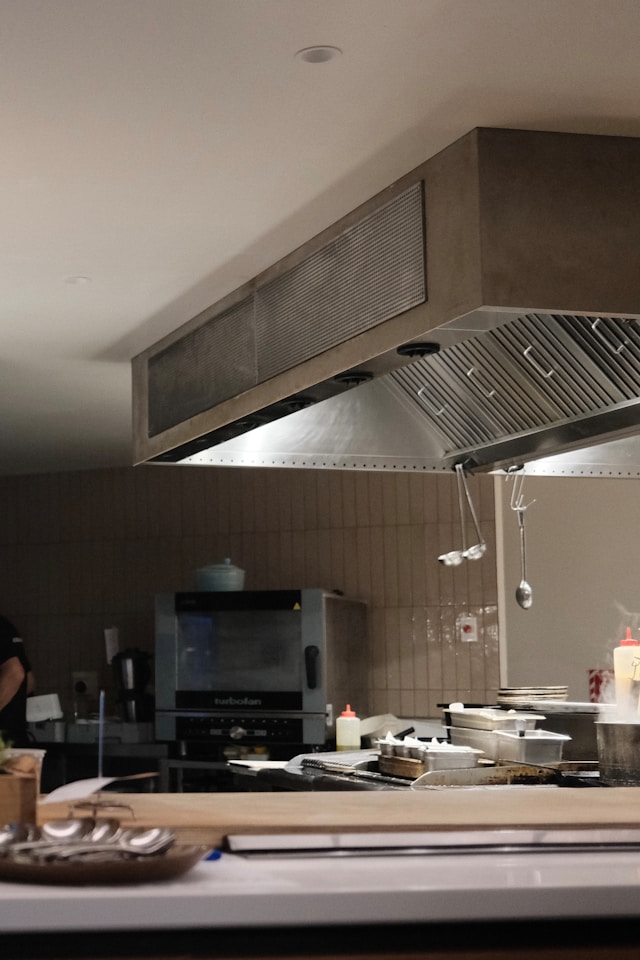
Commercial kitchen exhaust systems are easy to ignore—until something goes wrong. When they fail, the consequences range from poor air

A poorly designed exhaust system won’t just fail a health inspection—it can shut down a restaurant entirely. Yet exhaust design