
What Causes Strong Cooking Smells to Spread Beyond a Commercial Kitchen?
Quick answer: Commercial kitchen odors typically escape due to inadequate exhaust ventilation, clogged or dirty grease filters, negative air pressure
Quick answer: Commercial kitchen odors typically escape due to inadequate exhaust ventilation, clogged or dirty grease filters, negative air pressure
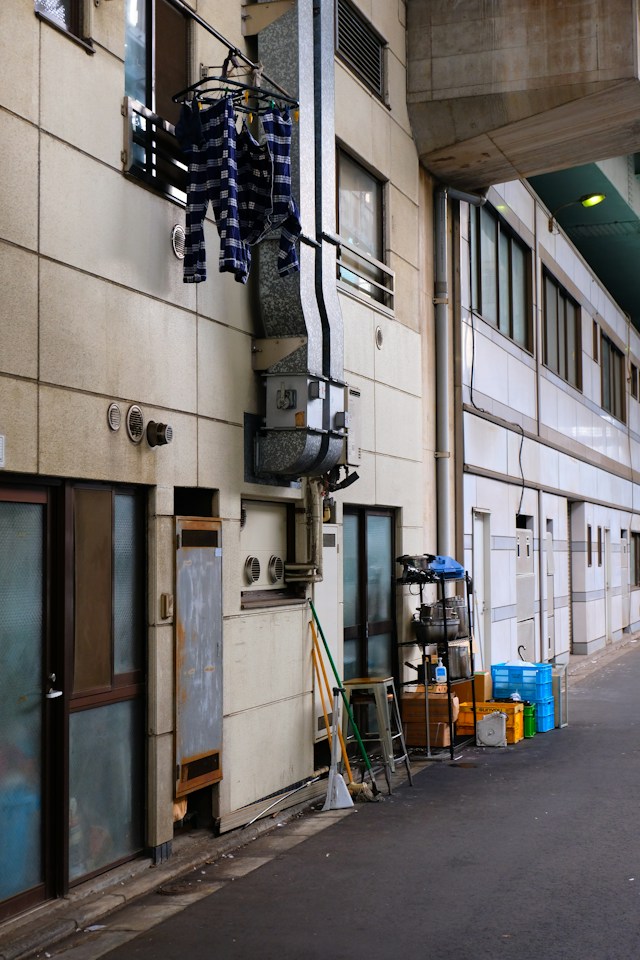
Quick answer: During busy service periods, a commercial kitchen exhaust system should be maintained through daily visual inspections, regular filter
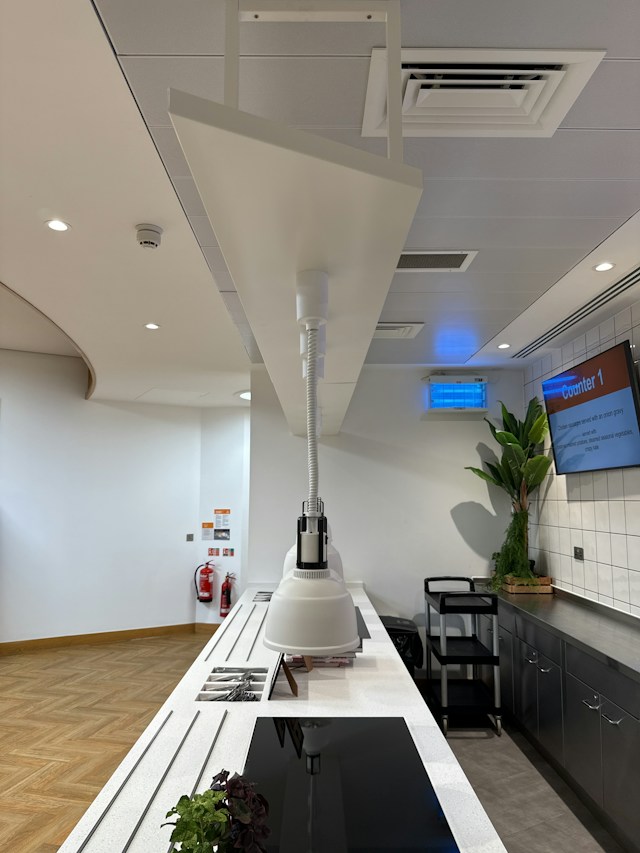
Quick answer: Restaurants should replace an old kitchen exhaust system when grease buildup, inconsistent airflow, or frequent repairs threaten safety
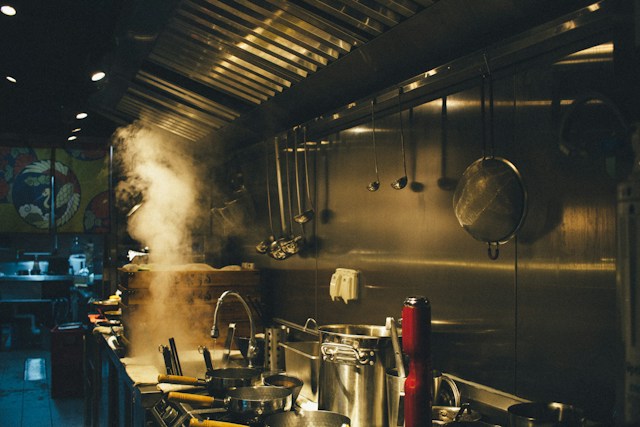
Quick answer: A commercial kitchen exhaust system captures smoke, grease particles, and heat generated by high-heat cooking through a hood
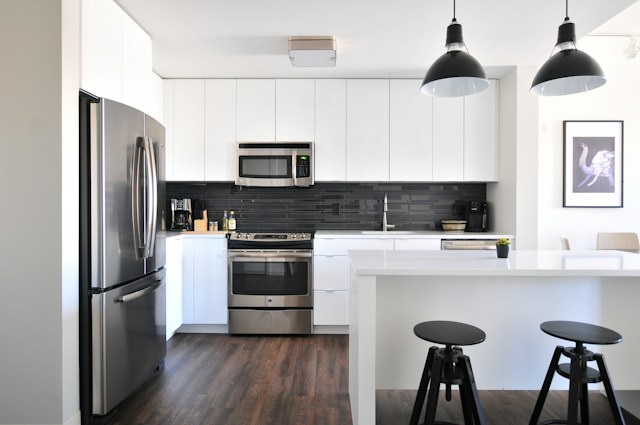
Quick answer: Too many bends in a commercial kitchen exhaust duct increase static pressure, reduce airflow, and create more surfaces

Quick answer: Wok cooking produces far more heat, grease-laden vapor, and combustion byproducts than standard commercial cooking equipment, so exhaust
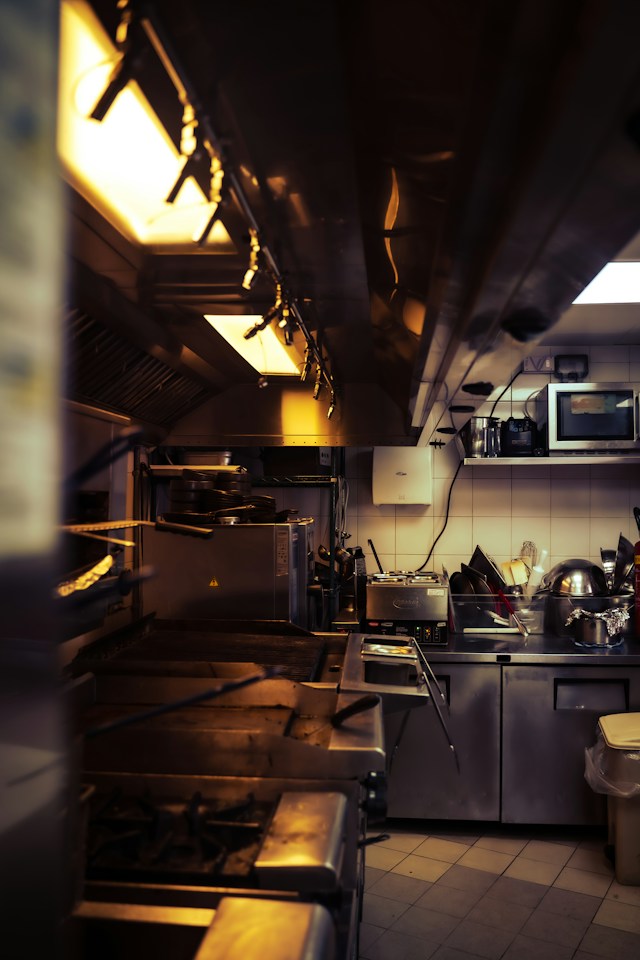
Quick answer: A commercial kitchen exhaust hood typically loses suction due to grease buildup in the ductwork or filters, a
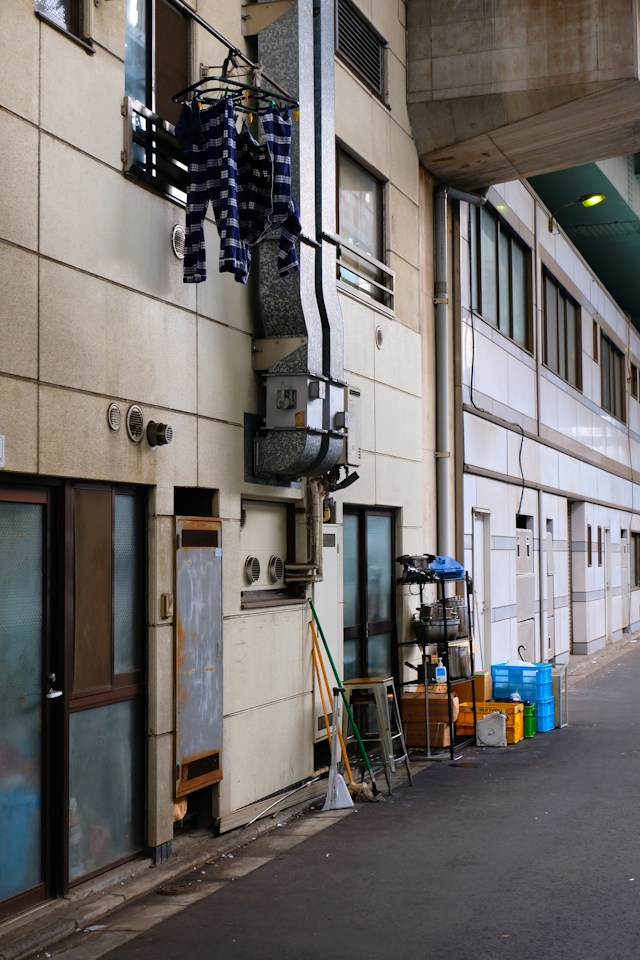
Quick answer: In a properly functioning commercial kitchen exhaust system, grease-laden vapor is captured by the hood, trapped by baffle
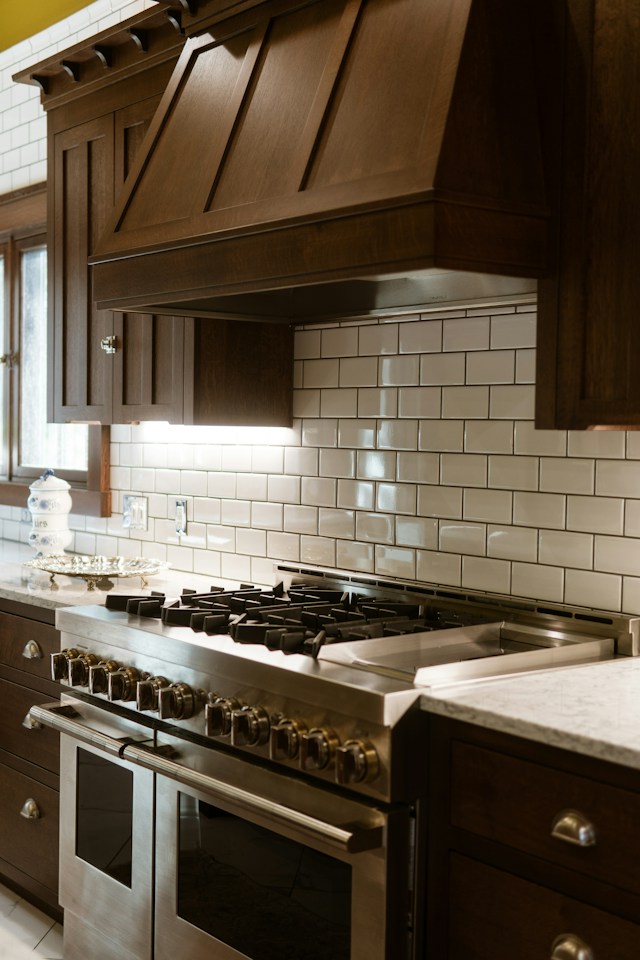
Quick answer: A commercial kitchen exhaust system’s size depends on five main factors: the type and quantity of cooking equipment,
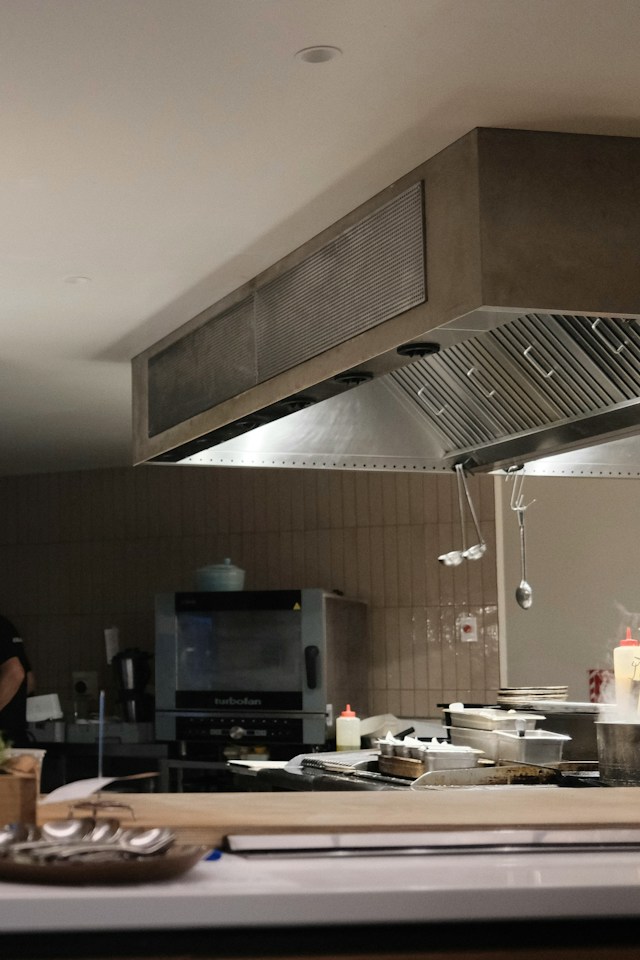
Quick answer: Yes, a properly designed commercial kitchen exhaust system significantly reduces cooking odors by capturing grease-laden vapors, smoke, and