
8 Commercial Kitchen Exhaust Problems That Could Affect Daily F&B Operations
TL;DR: Commercial kitchen exhaust problems—from clogged filters to failing fans—can disrupt daily F&B operations, create fire hazards, violate health codes,

TL;DR: Commercial kitchen exhaust problems—from clogged filters to failing fans—can disrupt daily F&B operations, create fire hazards, violate health codes,
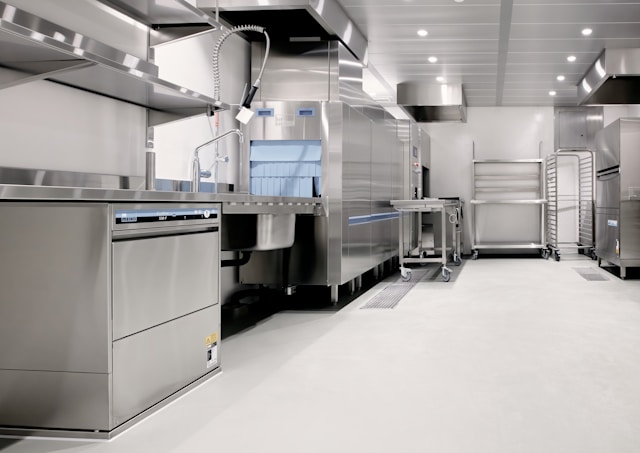
TL;DR: Cooking volume directly determines the type, size, and power of the commercial kitchen exhaust system you need. Higher-volume kitchens

TL;DR: Commercial kitchen layout directly affects how well your exhaust system captures heat, grease, and smoke. Poor equipment placement, obstructed

TL;DR: A commercial kitchen exhaust system that was adequate at launch can quickly become a liability as your operation grows.

TL;DR: A commercial kitchen exhaust system removes heat, smoke, grease, and combustion gases from professional cooking environments. It protects staff
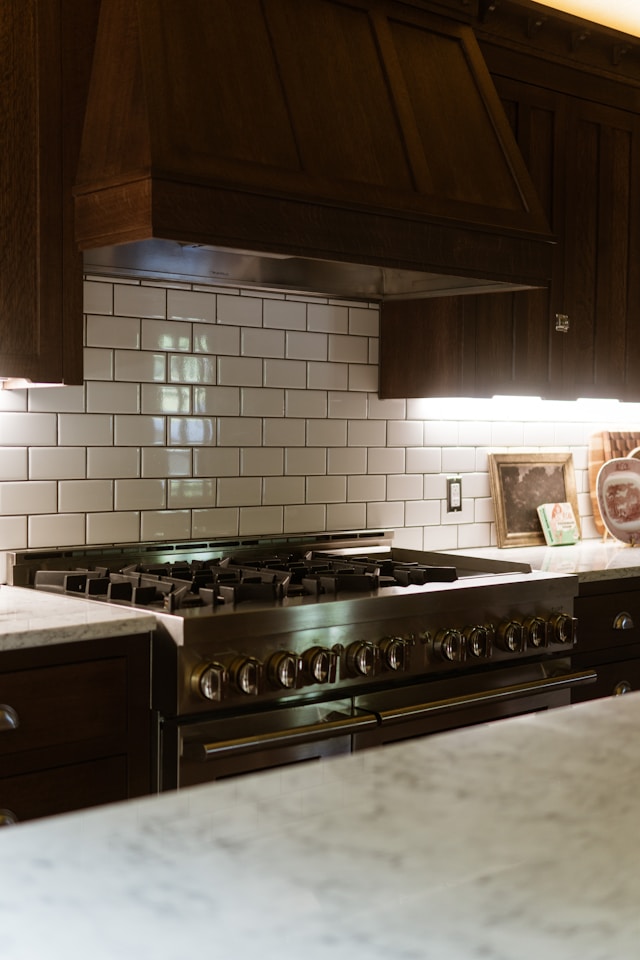
TL;DR: A commercial kitchen exhaust system removes heat, smoke, grease, and combustion gases from restaurant kitchens through a network of
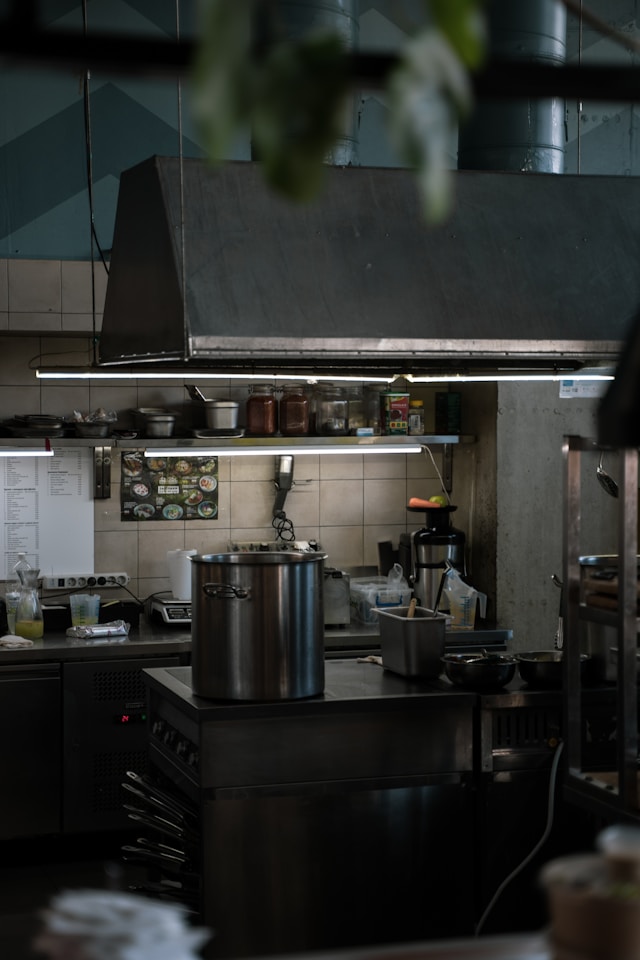
TL;DR: Airflow is the backbone of any high-volume commercial kitchen. A well-designed exhaust system removes heat, grease, smoke, and combustion

TL;DR: Commercial kitchen exhaust systems remove heat, smoke, grease, and combustion gases from the cooking environment. Poor exhaust performance leads
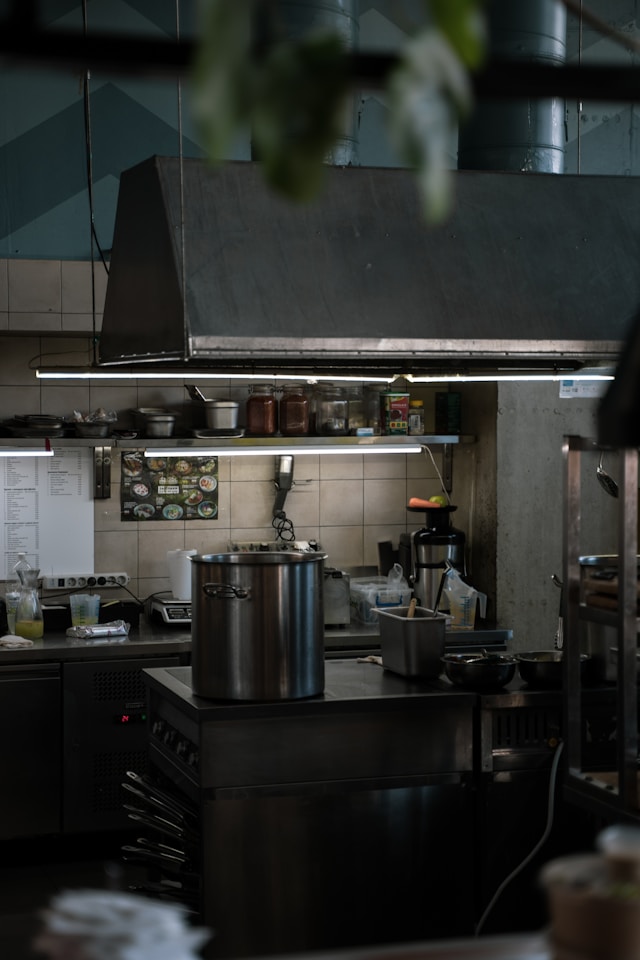
TL;DR: A commercial kitchen exhaust system removes heat, smoke, grease, and combustion gases from cooking areas. To prepare for peak

TL;DR: Commercial kitchen exhaust systems remove heat, smoke, grease, and combustion gases from cooking areas, directly reducing heat build-up in