
Commercial Kitchen Exhaust Improvements That Support Daily Operations
Quick answer: Commercial kitchen exhaust improvements—like upgrading hoods, fans, ductwork, and controls—reduce heat, smoke, and grease buildup while cutting energy
Quick answer: Commercial kitchen exhaust improvements—like upgrading hoods, fans, ductwork, and controls—reduce heat, smoke, and grease buildup while cutting energy
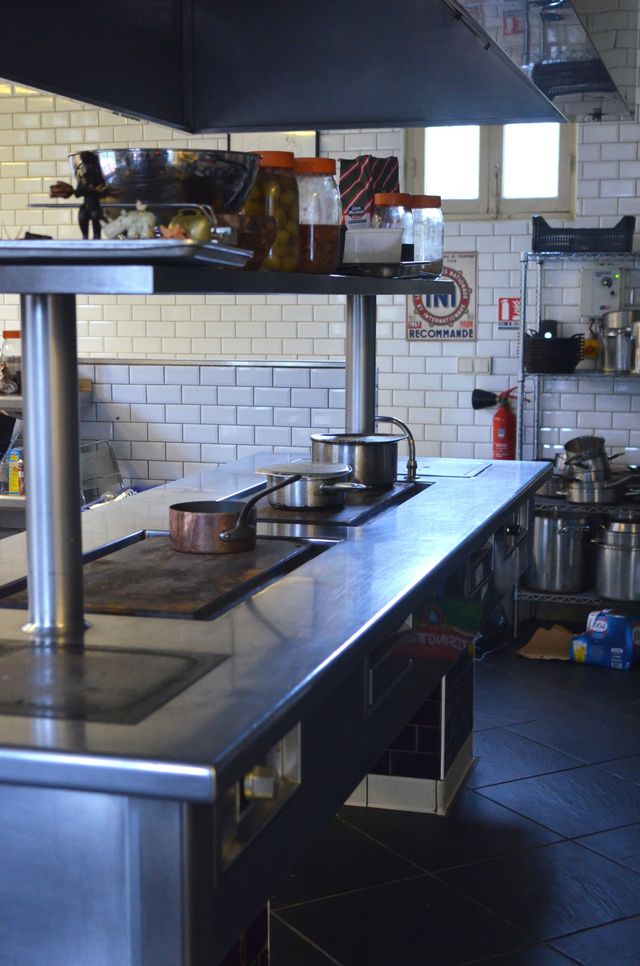
Quick answer: Upgrading your commercial kitchen exhaust system—through demand-controlled ventilation, high-efficiency fans, better hood design, and regular maintenance—can cut energy

Quick answer: Regular commercial kitchen exhaust maintenance prevents fire hazards, ensures regulatory compliance, and improves indoor air quality. By adopting

Quick answer: Commercial kitchen exhaust systems frequently suffer from excessive grease buildup, poor airflow, failing fan motors, and duct leaks.

TL;DR: A well-designed kitchen exhaust system does more than remove smoke and odors—it directly impacts air quality, energy efficiency, staff

TL;DR: Poor kitchen ventilation is one of the most expensive oversights in food and beverage operations. Common mistakes—like undersized hoods,

Quick answer: A failing commercial kitchen exhaust system exhibits five clear warning signs: visible smoke and lingering odors, rapid grease
Setting up or upgrading a commercial kitchen in Singapore involves many critical decisions, but few are as impactful as choosing
In Singapore’s tightly regulated food and beverage (F&B) landscape, compliance is not optional—it is a fundamental requirement for operating a
Installing a commercial kitchen exhaust system is one of the most critical steps when setting up or renovating a food