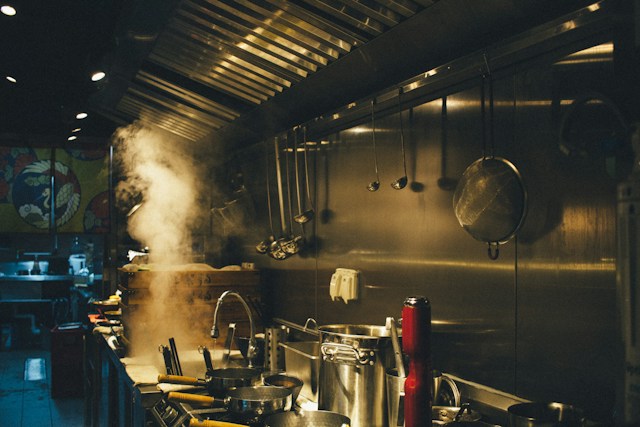
How Does a Commercial Kitchen Exhaust System Handle Smoke From High-Heat Cooking?
Quick answer: A commercial kitchen exhaust system captures smoke, grease particles, and heat generated by high-heat cooking through a hood
Quick answer: A commercial kitchen exhaust system captures smoke, grease particles, and heat generated by high-heat cooking through a hood

Quick answer: Too many bends in a commercial kitchen exhaust duct increase static pressure, reduce airflow, and create more surfaces

Quick answer: Wok cooking produces far more heat, grease-laden vapor, and combustion byproducts than standard commercial cooking equipment, so exhaust
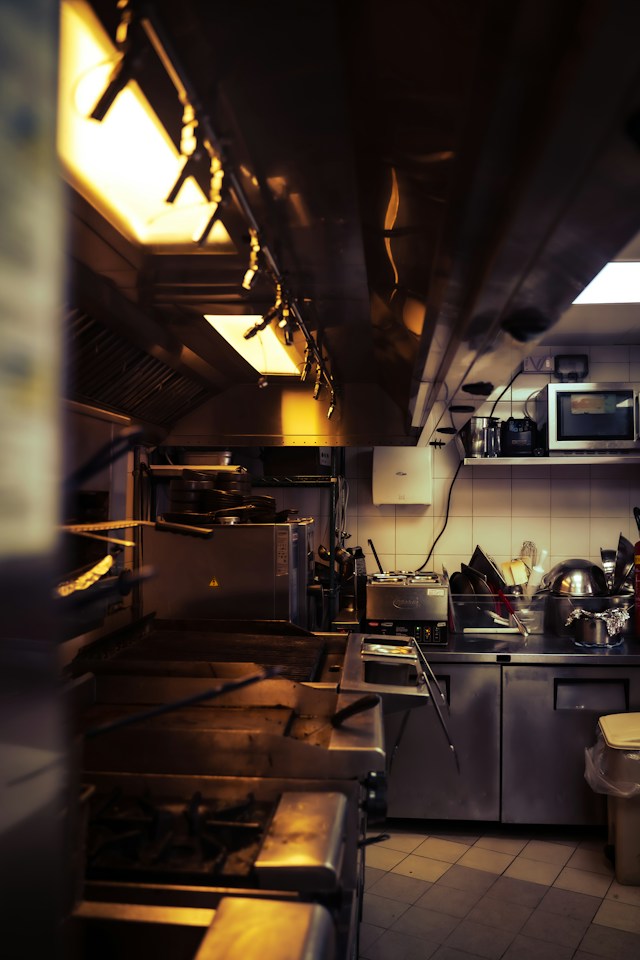
Quick answer: A commercial kitchen exhaust hood typically loses suction due to grease buildup in the ductwork or filters, a
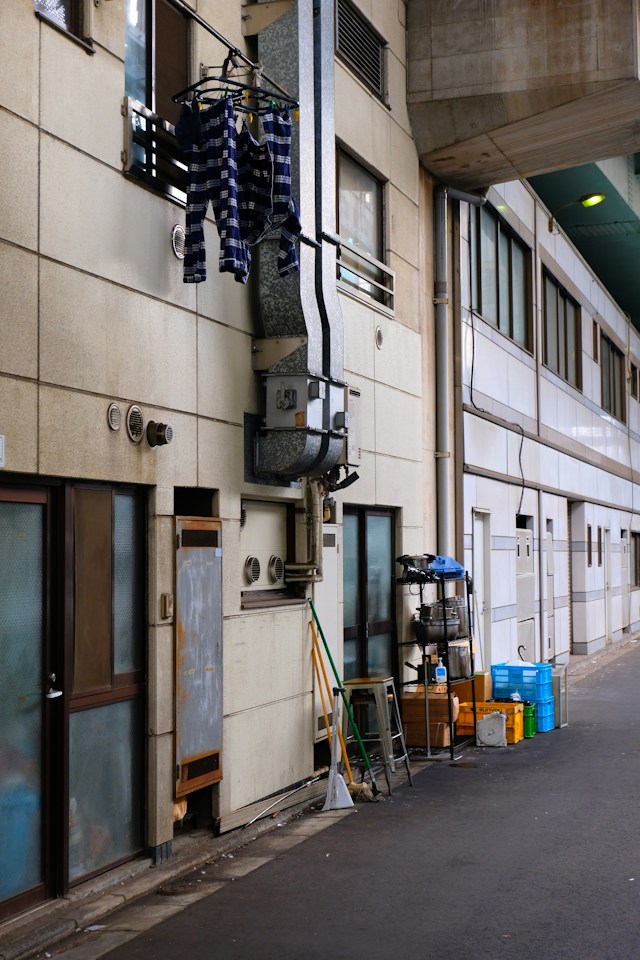
Quick answer: In a properly functioning commercial kitchen exhaust system, grease-laden vapor is captured by the hood, trapped by baffle
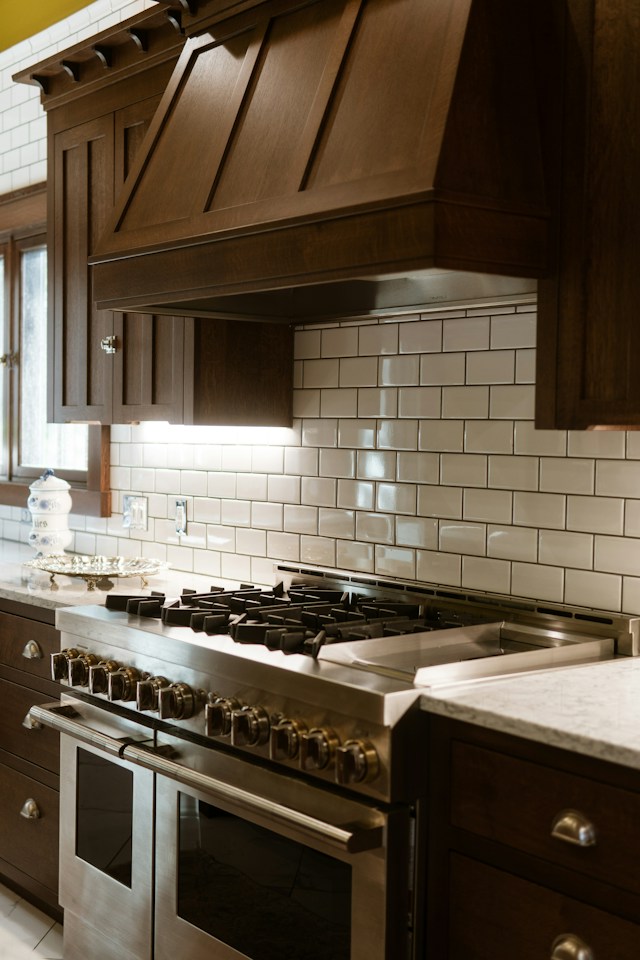
Quick answer: A commercial kitchen exhaust system’s size depends on five main factors: the type and quantity of cooking equipment,
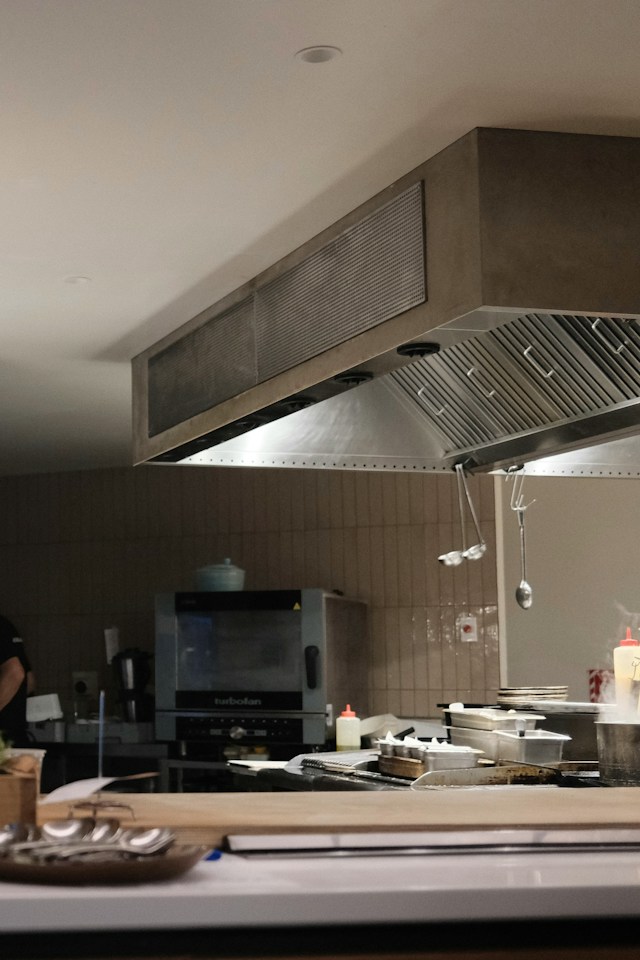
Quick answer: Yes, a properly designed commercial kitchen exhaust system significantly reduces cooking odors by capturing grease-laden vapors, smoke, and
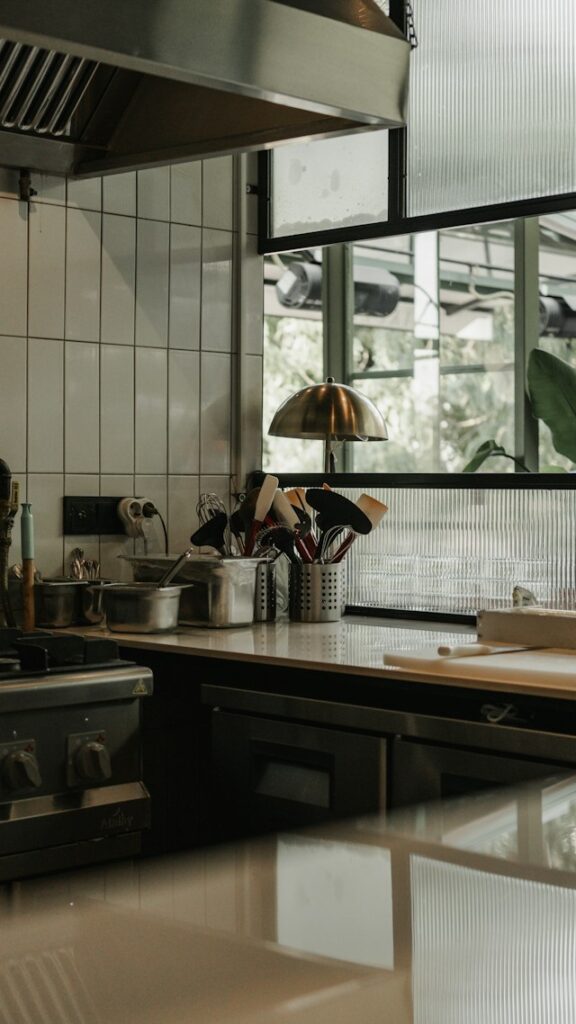
Quick answer: A commercial kitchen exhaust system must run during cooking because it removes heat, grease-laden vapor, smoke, and combustion
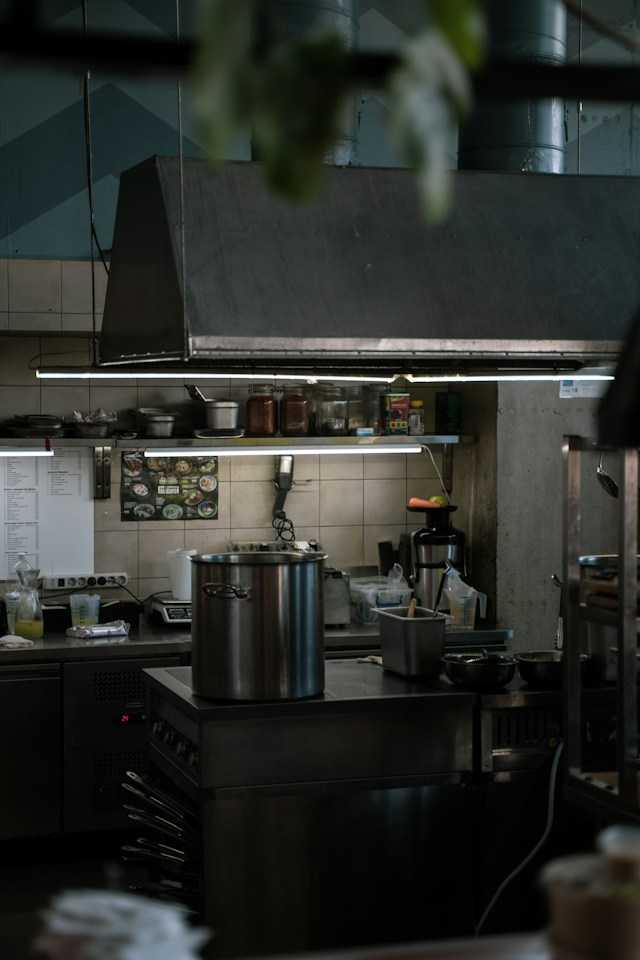
Quick answer: An undersized commercial kitchen exhaust system fails to remove heat, smoke, grease particles, and odors fast enough, leading
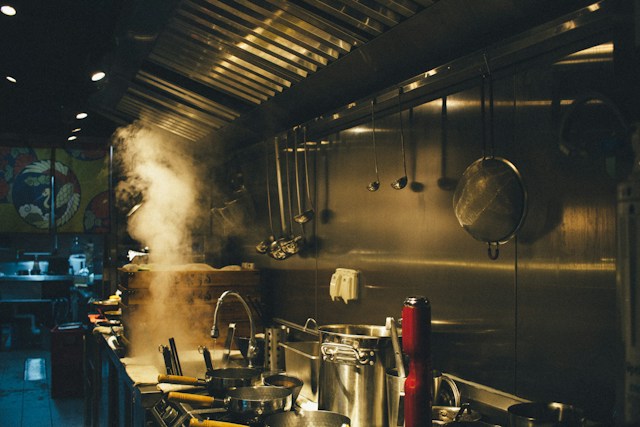
Quick answer: Most commercial kitchens should have their exhaust systems professionally cleaned every three to six months, though the exact