
Commercial Kitchen Exhaust Systems: Why Regular Maintenance Matters
TL;DR: Regular maintenance of commercial kitchen exhaust systems prevents grease fires, ensures compliance with health and safety codes, extends equipment […]
TL;DR: Regular maintenance of commercial kitchen exhaust systems prevents grease fires, ensures compliance with health and safety codes, extends equipment […]
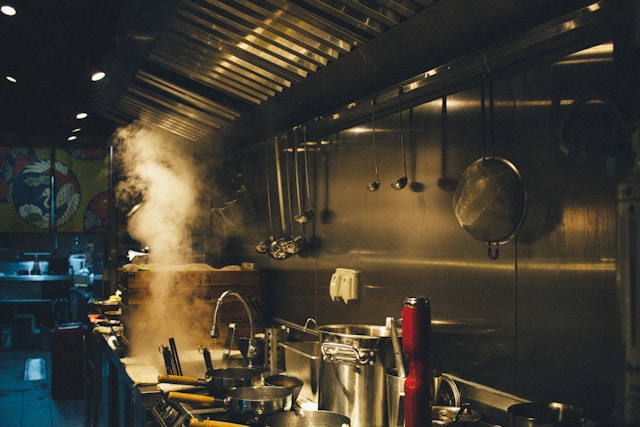
TL;DR: A well-designed commercial kitchen exhaust system removes heat, smoke, grease, and combustion gases from the cooking environment—protecting staff, ensuring

TL;DR: Effective commercial kitchen exhaust planning reduces heat buildup, improves air quality, and streamlines staff workflows. Key factors include hood

Quick answer: Warning signs of a failing commercial kitchen exhaust system include weak airflow, lingering smoke and odors, visible grease

Quick answer: Cleaner commercial kitchen operations depend on a well-maintained exhaust system. The most effective practices include scheduling regular hood

Quick answer: Commercial kitchen exhaust performance depends on proper system sizing, fan selection, ductwork design, grease management, and a consistent

Quick answer: Commercial kitchen exhaust improvements—like upgrading hoods, fans, ductwork, and controls—reduce heat, smoke, and grease buildup while cutting energy
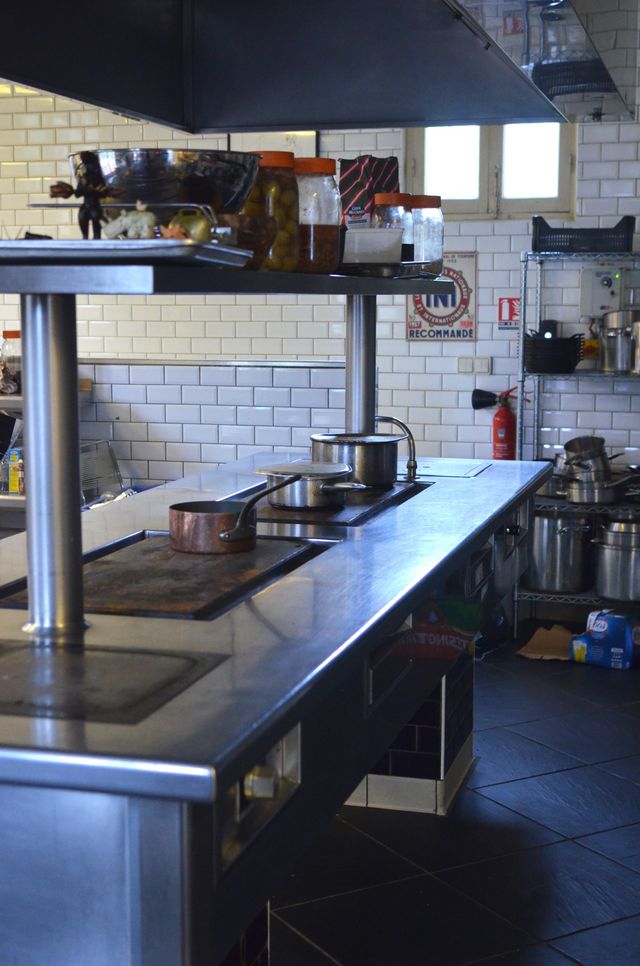
Quick answer: Upgrading your commercial kitchen exhaust system—through demand-controlled ventilation, high-efficiency fans, better hood design, and regular maintenance—can cut energy

Quick answer: Regular commercial kitchen exhaust maintenance prevents fire hazards, ensures regulatory compliance, and improves indoor air quality. By adopting

Quick answer: Commercial kitchen exhaust systems frequently suffer from excessive grease buildup, poor airflow, failing fan motors, and duct leaks.